Barrington Neighborhoods: Village Vs. Country Living
May 14, 2026
May 14, 2026
Choosing between village living and country living in Barrington is not just about square footage. It is about how you want your day to feel when you wake up, head out the door, and come home at night. If you are trying to decide between a walkable in-town setting and a more private acreage lifestyle, this guide will help you compare the two with more confidence. Let’s dive in.
Barrington sits about 40 miles northwest of Chicago and serves as the hub of a broader 90-square-mile Barrington area made up of seven independent villages. Within that larger area, the biggest lifestyle choice often comes down to this: do you want to live close to the village center, or do you want more land and a more rural setting?
That distinction matters because Barrington is not all one thing. Official village zoning ranges from smaller residential lots of 7,500 square feet in some districts to 5-acre lots in others. In practical terms, that means you can find everything from a more compact, walkable home base to a property that feels much more spread out and secluded.
If you want to be close to shops, dining, and the train, the Village of Barrington offers the most connected lifestyle. Official planning documents describe the Village Center as a mixed-use area with retail, service, office, artisan, institutional, and residential uses all clustered near one another.
The village also states that downtown subdistricts are within walking distance of each other and close to the Barrington Metra station. That makes daily errands, dining out, and commuting more convenient if you prefer to leave the car parked more often.
For many buyers, the Metra station is a major reason to consider in-town Barrington. The village notes that the Union Pacific Northwest Line stops right in the village center and offers convenient access to Chicago, along with daily and long-term commuter parking.
That rail access shapes the whole rhythm of village life. You can be near restaurants, specialty shops, community events, and commuter options all in one central area, which is a big draw if you want a more active, connected routine.
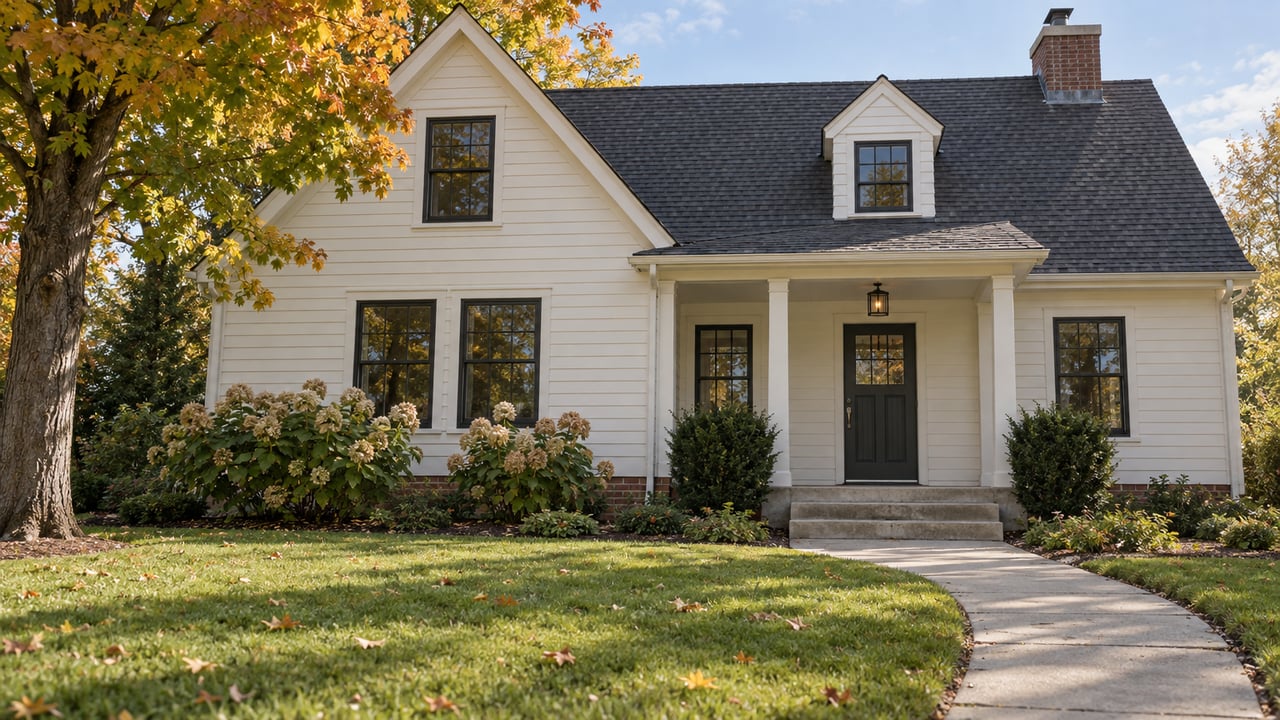
One of the biggest appeals of village living is architectural character. Barrington’s Historic District includes Folk, Craftsman, Victorian, Queen Anne, and other early American styles, with many structures dating to the late 1800s and early 1900s.
If you love older homes and a classic streetscape, this part of Barrington can be especially appealing. At the same time, buyers should know that homes in the Historic Overlay District come with added review requirements for exterior changes.
Exterior work in the Historic Overlay District requires Architectural Review Commission approval and a Certificate of Appropriateness. That does not mean updates are impossible, but it does mean you should understand the process before buying.
For some buyers, those rules are worth it because they help preserve the look and feel of the area. For others, especially buyers planning major exterior changes, that extra layer of review may be an important factor in the decision.
Village living is not limited to one home type. Barrington zoning includes a range of lot sizes, from 7,500-square-foot lots up through 1-acre parcels and even larger lots in some districts.
The village’s planning documents also support low- to medium-density multi-family housing near the station, such as rowhomes or condominiums. That gives buyers more flexibility if they want lower-maintenance living in a central location.
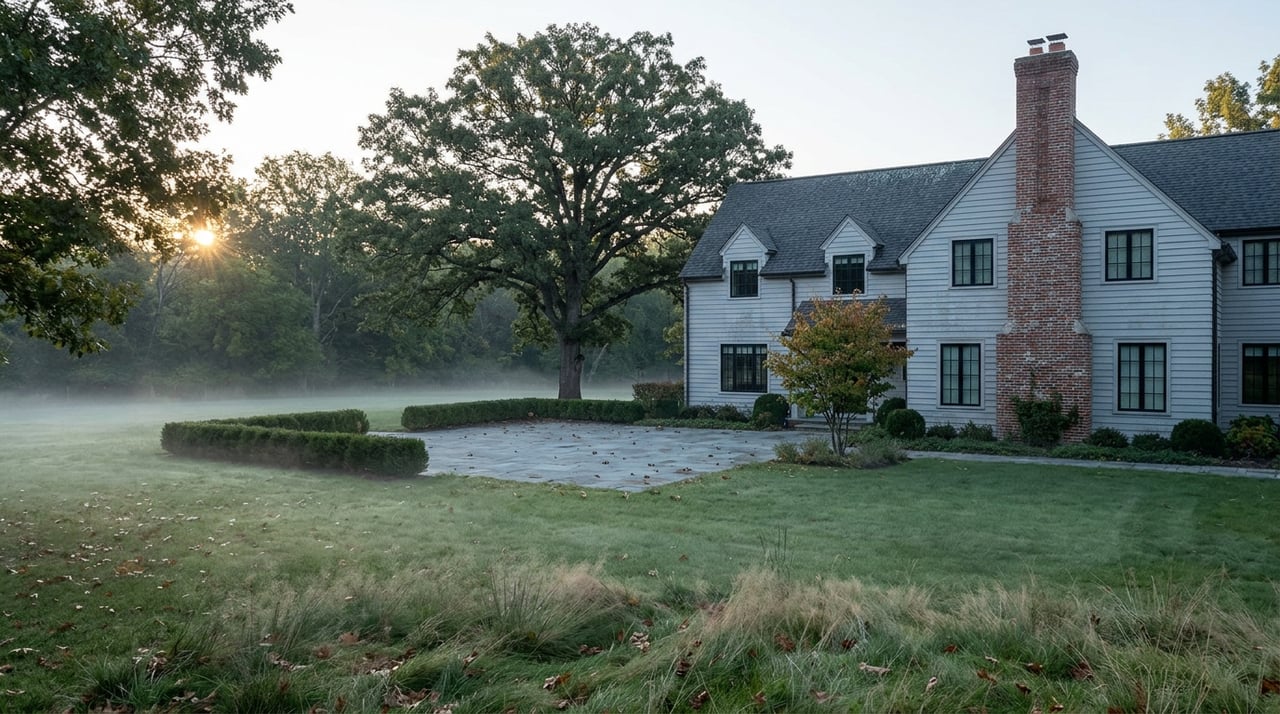
If your priority is space, privacy, and a more rural setting, country living may be a better fit. Barrington Hills says the majority of parcels in the village are 5 acres or larger, and that property types range from small cottages to large estates.
That larger land pattern creates a very different feel from the village center. Instead of living close to shops and train access, you are often choosing a property-centered lifestyle with more room to spread out.
A major reason buyers choose Barrington Hills is privacy. Larger parcels naturally create more separation between homes, and the village also highlights conservation easements, rural roadways, and more than 3,800 acres of forest preserve within the village.
If you value quiet surroundings and open land, this setting can feel like a world apart from a more compact downtown environment. The appeal is less about being in the middle of activity and more about creating space around your everyday life.
Barrington Hills is especially well known for its equestrian heritage. The village emphasizes backyard barns and stables, private riding trails, and the ability to keep horses on your own property.
That does not mean every country property is an equestrian property, but it does show how strongly the area is tied to that lifestyle. If horses, trails, or more land for outdoor use are high on your list, this is one of the clearest differences between the two settings.
Country living usually means your home and land play a bigger role in your daily routine. Official descriptions of Barrington Hills focus on horses, trails, property freedoms, and open land, while the broader Barrington area also highlights preserves, golf, cyclists, and the Fox River as part of the local lifestyle.
In other words, your routine may feel more home-centered and outdoors-oriented. That can be ideal if you want your property itself to be part of the lifestyle, not just the place where you sleep.
Village living is often the better fit if your top priorities include:
If you picture yourself strolling downtown, grabbing dinner nearby, or using the train regularly, the village center likely deserves a close look.
Country living may be the better match if your priorities include:
If you want room to spread out and you care more about land than walkability, the country side of the Barrington market may make more sense.
| Feature | Village Living | Country Living |
|---|---|---|
| Setting | Mixed-use, more walkable | Rural-feeling, more spread out |
| Lot patterns | Smaller lots to varied in-town options | Majority of parcels 5 acres or larger in Barrington Hills |
| Daily routine | Shops, dining, events, train access nearby | Home, land, trails, and outdoor use play a larger role |
| Housing character | Historic homes, varied residential options, possible condos or rowhomes near station | Cottages to large estates |
| Special considerations | Historic district exterior changes may require approval | Equestrian and land-use lifestyle may shape property choice |
A simple way to decide is to picture an average week, not just your dream home. Do you want to walk to restaurants, catch Metra, and stay close to village activity, or would you rather spend more time on your own property with more room around you?
The answer often becomes clearer when you focus on lifestyle first. The right home should support the way you actually want to live, not just check a few boxes on paper.
It also helps to think ahead. If you want lower maintenance, easier access, and a central location, village living may align better with your next chapter.
If your long-term vision includes land, privacy, or a property with more outdoor flexibility, country living may be worth the tradeoff of being farther from the center of activity.
In Barrington, the details matter. Historic overlay rules, zoning, lot size, and property features can all shape what is practical after you move in.
That is why it helps to evaluate each home not only by style and price, but also by how it fits your routine, renovation plans, and future goals.
If you are weighing village convenience against country space in Barrington, the best move is to compare both through the lens of your real day-to-day life. A clear, local strategy can make that decision a lot easier. When you are ready for tailored guidance on Barrington homes, neighborhoods, and property types, connect with Kevin Baum.
Stay up to date on the latest real estate trends.
For Sellers
If this approach resonates, the next step is simple.