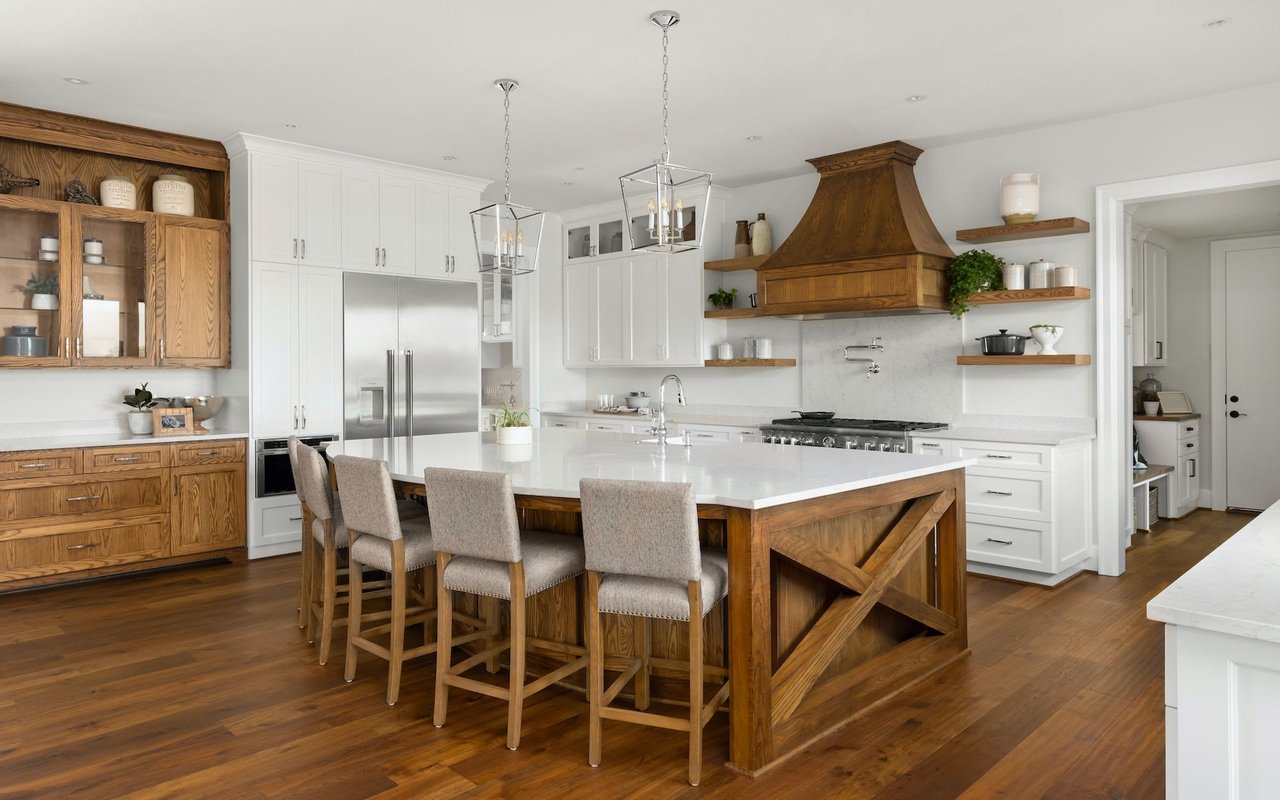
Selling Land Or Acreage In Barrington Hills: Key Steps To Plan For
Kevin Baum May 7, 2026
Kevin Baum May 7, 2026
If you are selling land or acreage in Barrington Hills, you are not just selling a house with a big yard. You are selling access, usability, improvements, and a property story that buyers need help understanding. The good news is that with the right preparation, you can reduce surprises, present the property clearly, and make it easier for serious buyers to see the full value. Let’s dive in.
Barrington Hills is not a typical subdivision market. The village was shaped around large lots, open space, and a rural pattern of development, and most parcels are 5 acres or larger. The official zoning framework includes 5-acre residential districts, which means lot size, site layout, and land features often matter as much as the home itself.
That local setup changes how you should prepare for a sale. Buyers are often looking beyond bedrooms and finishes to evaluate road access, drainage, barns, paddocks, outbuildings, and how much of the land is truly usable. In Barrington Hills, those details can have a real impact on value and marketability.
One of the biggest mistakes acreage sellers make is treating the property like a standard home listing. In Barrington Hills, buyers usually want a clear picture of the land first, then the home and improvements. If that information is vague, they may hesitate or move on.
Your listing preparation should explain the property in plain English. That includes what the total acreage is, where the main improvements sit, what access points exist, and whether any areas are affected by easements, conservation restrictions, wetlands, floodplain conditions, or drainage features.
Aerial images, survey overlays, and a simple summary of usable versus regulated land can help buyers quickly understand what they are seeing. When the site story is easy to follow, buyers can evaluate the property with more confidence.
Access is a practical issue that often comes up early with acreage homes in Barrington Hills. The village notes that it has many private roads, and road conditions, maintenance responsibility, and drainage can become key buyer questions. That means it helps to confirm what kind of road serves your property and what agreements or responsibilities apply.
If your property includes a driveway culvert on a village-maintained road, remember that the owner is responsible for maintaining and replacing it. The village also requires a permit for culvert work. If a buyer asks about driveway access, you want to be ready with a clear answer instead of an uncertain one.
Long driveways also deserve attention before showings begin. A rough entrance, standing water, or overgrown roadside vegetation can create a poor first impression and raise concerns about ongoing maintenance.
On acreage, cleanup is more than curb appeal. Buyers tend to notice the condition of fence lines, paddocks, roadside edges, and drainage areas because those features affect daily use of the property. A well-kept site signals that the property has been maintained with care.
That said, cleanup should be thoughtful. The village notes that vegetation near roads can affect pavement and drainage, but it also says property owners should contact the village before removing trees because some species are protected. If you are planning work before listing, it is smart to verify what can be trimmed, removed, or improved first.
Burning is also regulated in Barrington Hills. The village allows residential burning under specific rules that limit what may be burned and set time, size, and supervision requirements. If spring or fall cleanup is part of your prep plan, confirm your debris-disposal approach before your listing goes live.
Large properties often include features that buyers love, but those same features also trigger questions. Barns, stables, paddocks, sheds, pools, spas, garages, generators, and other accessory structures should be reviewed before you list. Buyers will want to know what exists, where it sits, and whether it was handled properly.
Barrington Hills notes that fences do not require a permit, but the village recommends placing them several feet off the property line to reduce disputes. The village also states that accessory structures still must meet setback requirements even when a small shed does not need a permit. That makes it worth double-checking where improvements are located in relation to lot lines.
If you are considering repairs or upgrades before listing, do not start work until required permits are issued. The village building department states that no construction work may begin until all required permits are in place and fees are paid. That step matters both for compliance and for buyer confidence later.
Acreage buyers usually ask more questions than buyers of a typical in-town property. The smoother your file is, the smoother your sale process is likely to be. Ideally, you want the key records organized before the home reaches the market.
A strong listing file may include:
Barrington Hills requires a plat of survey for permit work, and the village fee schedule reflects separate categories for accessory buildings, pools and spas, plumbing including septic, zoning certificates, and certificates of compliance or occupancy. That is one reason documentation carries extra weight here.
Not all surveys tell the full story buyers need. On a property with acreage, a strong survey should do more than outline lot lines. It should help show how the land functions.
Useful survey details often include acreage, easement locations, improvements, utilities, access points, boundaries, corner monuments, encroachments, and natural features. On larger parcels, those items can directly affect what a buyer believes they are purchasing and how they expect to use the land.
If your current survey is older or does not clearly reflect important site features, it may be worth reviewing with your real estate professional before listing. A survey that answers questions early can save time later.
Barrington Hills has an important infrastructure difference from many suburban communities. The village says many homes rely on private wells and septic systems rather than municipal water and sewer. For sellers, that means utility information should be part of your prep, not an afterthought.
Cook County Public Health says home-sale evaluations for well and septic properties are typically needed, but it also notes that incorporated Barrington Hills is excluded from its septic review because the village has its own Illinois Department of Public Health-approved septic ordinance. Barrington Hills states that septic system plan approvals and installation inspections are handled by the village.
In practical terms, you should identify where the well, septic field, and related records are located before your home hits the market. Buyers commonly ask for this information early, especially when comparing acreage properties.
Some Barrington Hills properties are affected by conservation easements or other land-use restrictions. If your land is subject to one, that should be disclosed and explained early in the process. It is better for a buyer to understand the restriction up front than to discover it after investing time and money.
A conservation easement remains with the land and may apply to all or only part of the property. Depending on the document, it may permanently limit certain uses to protect conservation values. That does not automatically reduce buyer interest, but it does make clarity essential.
If your home is newer or has had major additions, gather final sign-offs and related paperwork in one place. Barrington Hills’ partial certificate of occupancy checklist includes items such as a spot survey, septic record plan, potable-water sample, driveway culvert installation, and positive drainage. That gives you a sense of the kind of records buyers may want to review.
When documents are easy to find, buyers tend to feel more comfortable moving forward. Organized records also help your listing agent market the property with greater precision.
The strongest acreage listings usually present the property as one complete package. That means the home, land, access, and improvements should all be documented and explained together. If any piece is missing, the property can feel harder to evaluate.
Your marketing should clearly identify major improvements such as barns, stables, paddocks, arenas, garages, generators, pools, and spas. In a market like Barrington Hills, those features are often part of the value story, but only if buyers can understand their location, use, and documentation.
It also helps to answer common buyer questions directly in the listing package. For example:
When those answers are prepared in advance, buyers can focus less on uncertainty and more on whether the property fits their goals.
If you want a practical roadmap, focus on three priorities before listing.
Clean up the grounds, improve first impressions, and address visible maintenance issues. Pay close attention to access, roadside edges, drainage, fences, paddocks, and outbuildings.
Assemble surveys, permits, inspections, septic and well information, easements, road agreements, and occupancy records. The more complete your file is, the easier it is for buyers to evaluate the property.
Use visuals and plain-language explanations to show what the buyer is getting. On acreage in Barrington Hills, a polished presentation should make the land understandable, not just attractive.
Selling an acreage property here often requires more planning than selling a typical suburban home, but that extra work can pay off. When your property is well prepared, well documented, and clearly presented, you put yourself in a stronger position for a smoother sale and more confident buyer response.
If you are getting ready to sell land or acreage in Barrington Hills, working with a local advisor who understands large-parcel preparation can make the process far more manageable. For a tailored selling strategy and white-glove guidance, connect with Kevin Baum.
Stay up to date on the latest real estate trends.


For Sellers


If this approach resonates, the next step is simple.