Selling Strategy Reset When Your Listing Stalls
Agent Value Kevin Baum March 18, 2026
Agent Value Kevin Baum March 18, 2026
Real estate markets rarely stop working. What changes instead is how precise strategy must become.
During the ultra-competitive years, many homes sold quickly regardless of preparation or pricing discipline. Buyers had limited options, and urgency often outweighed scrutiny.
Today’s market is different. Buyers still purchase homes every day — but they evaluate them carefully, compare them instantly, and make decisions with more patience. When a home sits on the market, it usually isn’t the market rejecting the property. It’s the market responding to the strategy.
Recent search data highlights a growing concern among homeowners.
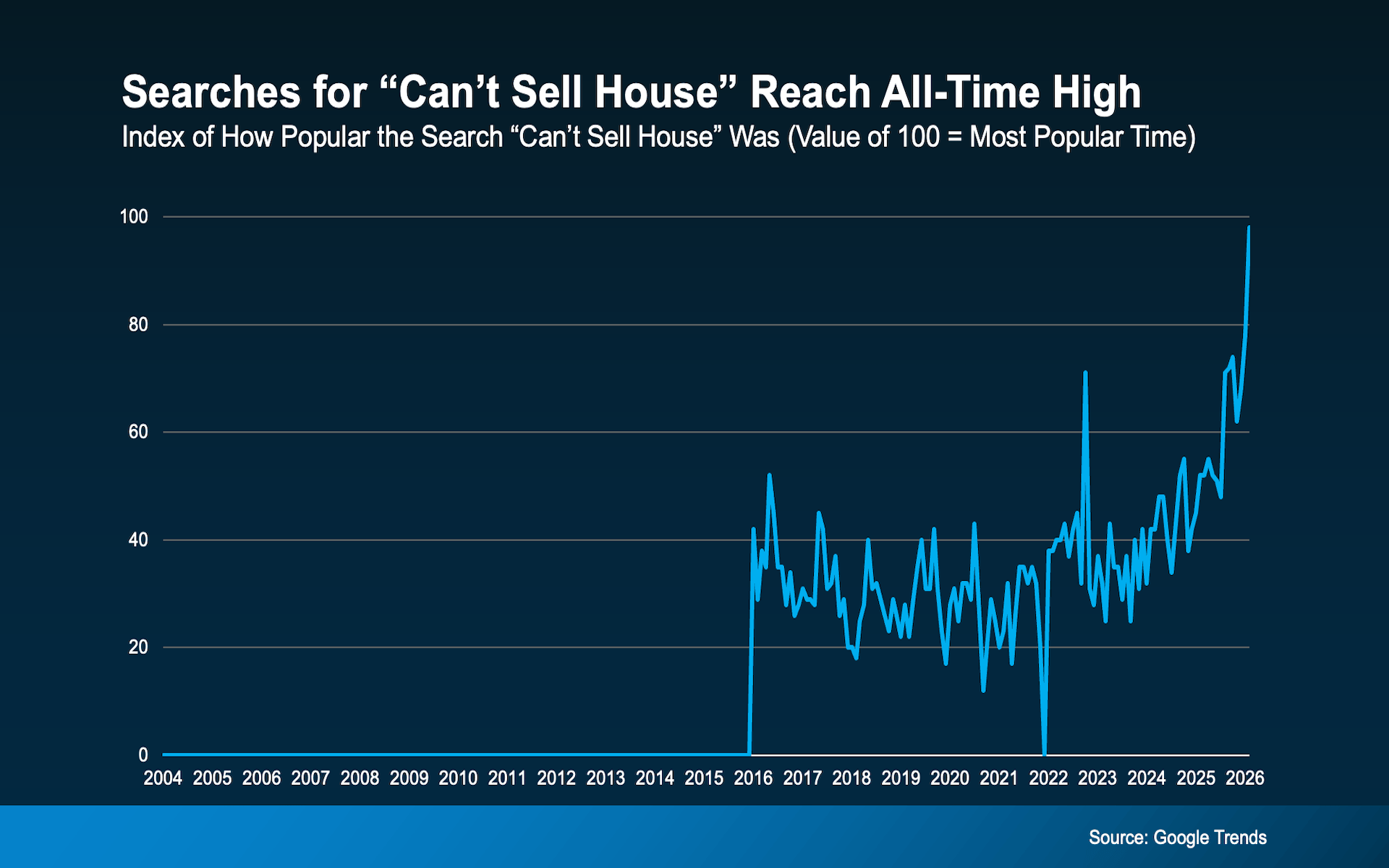
Online searches for the phrase “can’t sell house” have reached an all-time high, according to Google Trends. Many sellers experiencing slower activity are turning to the internet looking for answers.
But the reality is simpler than most expect.
Homes are still selling consistently across many markets. When a listing struggles to generate offers, the underlying cause is usually not mysterious — it tends to fall into a few strategic categories that influence buyer behavior.
The rise in these searches reflects a shift in market psychology.
For several years, sellers experienced an environment where demand overwhelmed supply. Listings often received immediate offers, sometimes with minimal preparation or aggressive pricing.
As inventory gradually improves and buyers regain more choice, the dynamics naturally rebalance. Buyers now compare listings more carefully, and small differences in preparation or pricing carry greater weight.
This shift does not mean homes aren’t selling. It simply means the margin for strategic error has narrowed.
[Insert Image: Google Trends Index of “Can’t Sell House” Searches]
When a property fails to generate activity, experienced agents typically diagnose the issue through three lenses: presentation, pricing, and access.
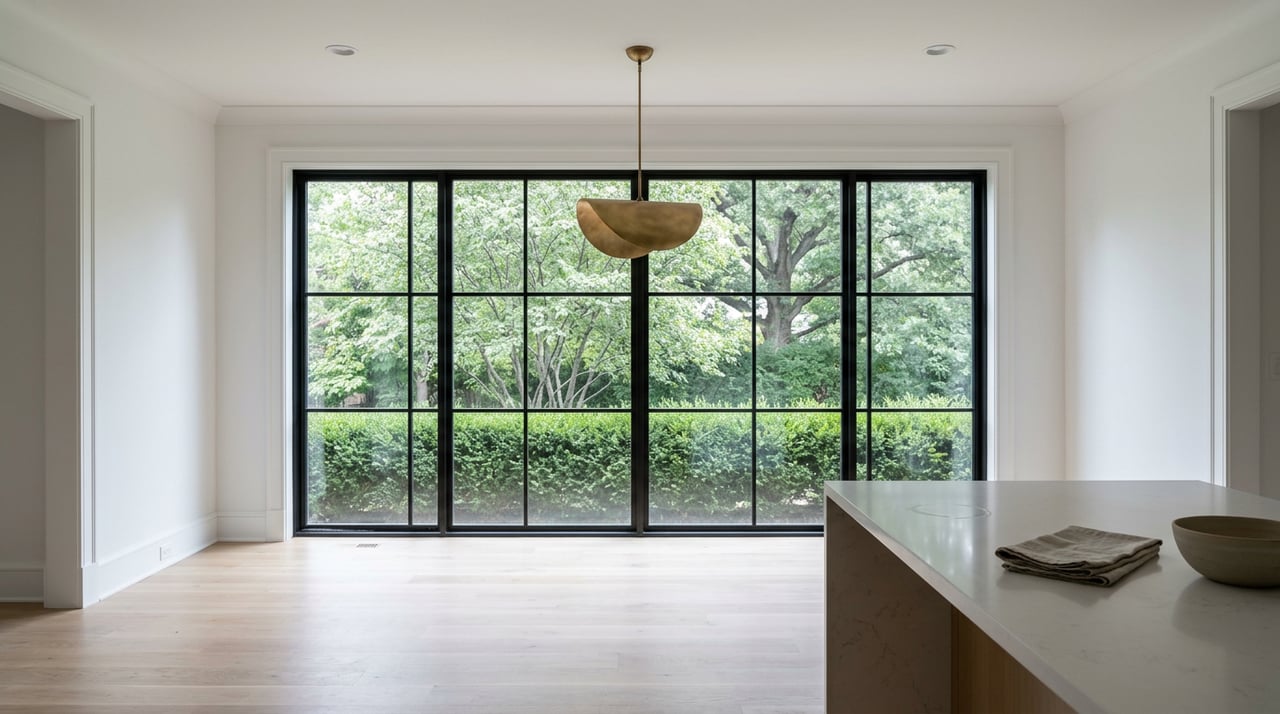
Buyers evaluate homes quickly and visually. Online listings allow them to compare dozens of options in minutes. Condition, lighting, layout flow, finishes, and overall maintenance all become part of the comparison.
Homes that feel cluttered, dated, or poorly photographed often lose momentum immediately.
This does not require a full renovation. But thoughtful preparation — neutral paint, clean spaces, minor repairs, and professional photography — dramatically improves how buyers perceive value.
Pricing discipline matters more than it did during the peak of the market.
As Selma Hepp, Chief Economist at Cotality, explains:
“For sellers, the days of pricing aggressively and expecting instant offers are largely over. Homes that are well-priced and well-presented will still sell, but pricing discipline matters more than it did during boom years.”
When a listing price reflects past peak conditions rather than current demand, buyers frequently hesitate or submit offers significantly below expectations.
Pricing is not about maximizing the list number. It’s about positioning the property competitively within the current buyer pool.
One of the most overlooked variables is simple accessibility.
Restricted showing windows — evenings only, limited weekends, or lengthy notice requirements — can quietly eliminate a large percentage of potential buyers.
In today’s environment, reducing friction matters. If buyers cannot easily view a home, they often move on to one they can.
One reason stalled listings feel so stressful for sellers is that expectations were shaped during a very unusual market cycle.
For several years, selling a home often felt effortless. Listings moved quickly, sometimes with multiple offers within days.
When the pace slows, homeowners sometimes interpret it as failure or assume something is fundamentally wrong with their property.
In reality, slower activity is usually market feedback.
And feedback is extremely valuable when interpreted correctly.
It tells us how buyers are responding to presentation, price positioning, and access — all variables that can be adjusted.
A listing that hasn’t sold is not necessarily a failed listing.
It is often simply a listing that has not yet adapted to current buyer behavior.
The sellers who regain momentum most quickly are those who treat the market as a source of information rather than frustration.
They ask clear questions, review feedback objectively, and make targeted adjustments.
In many cases, small strategic changes — improved staging, a modest price repositioning, or more flexible showing availability — can dramatically alter buyer response.
The key is diagnosing the issue correctly rather than guessing.
If your home has been on the market without meaningful activity, consider taking these steps in the next 24 hours:
Review recent showing feedback with your agent
Evaluate whether the home’s presentation matches competing listings
Reassess price positioning relative to current comparable sales
Expand showing availability to remove friction for buyers
Ask your agent directly: “What adjustment would create the most immediate impact?”
A disciplined conversation often reveals the path forward.
And in many cases, the solution is simpler than sellers expect.
Stay up to date on the latest real estate trends.


For Sellers



If this approach resonates, the next step is simple.